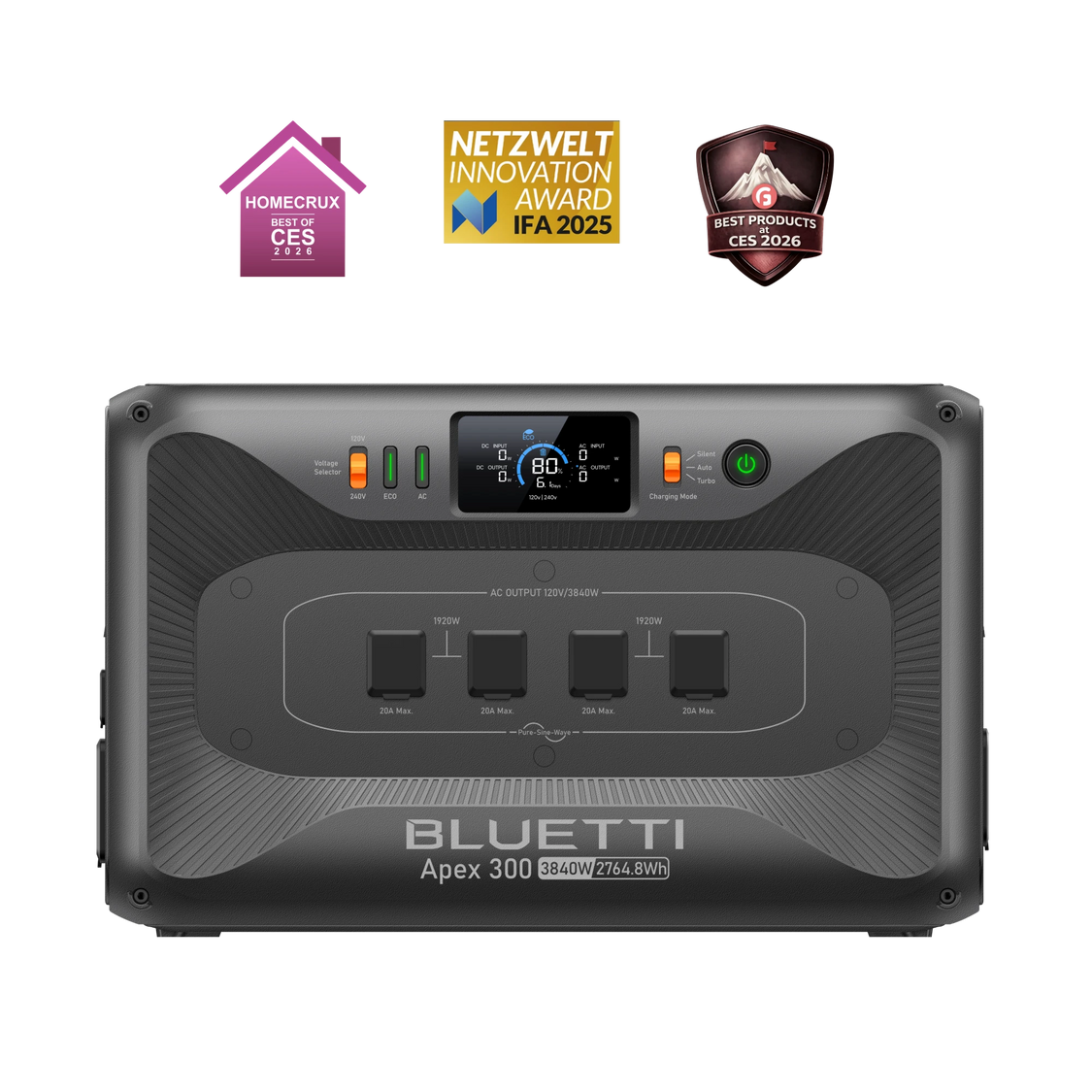

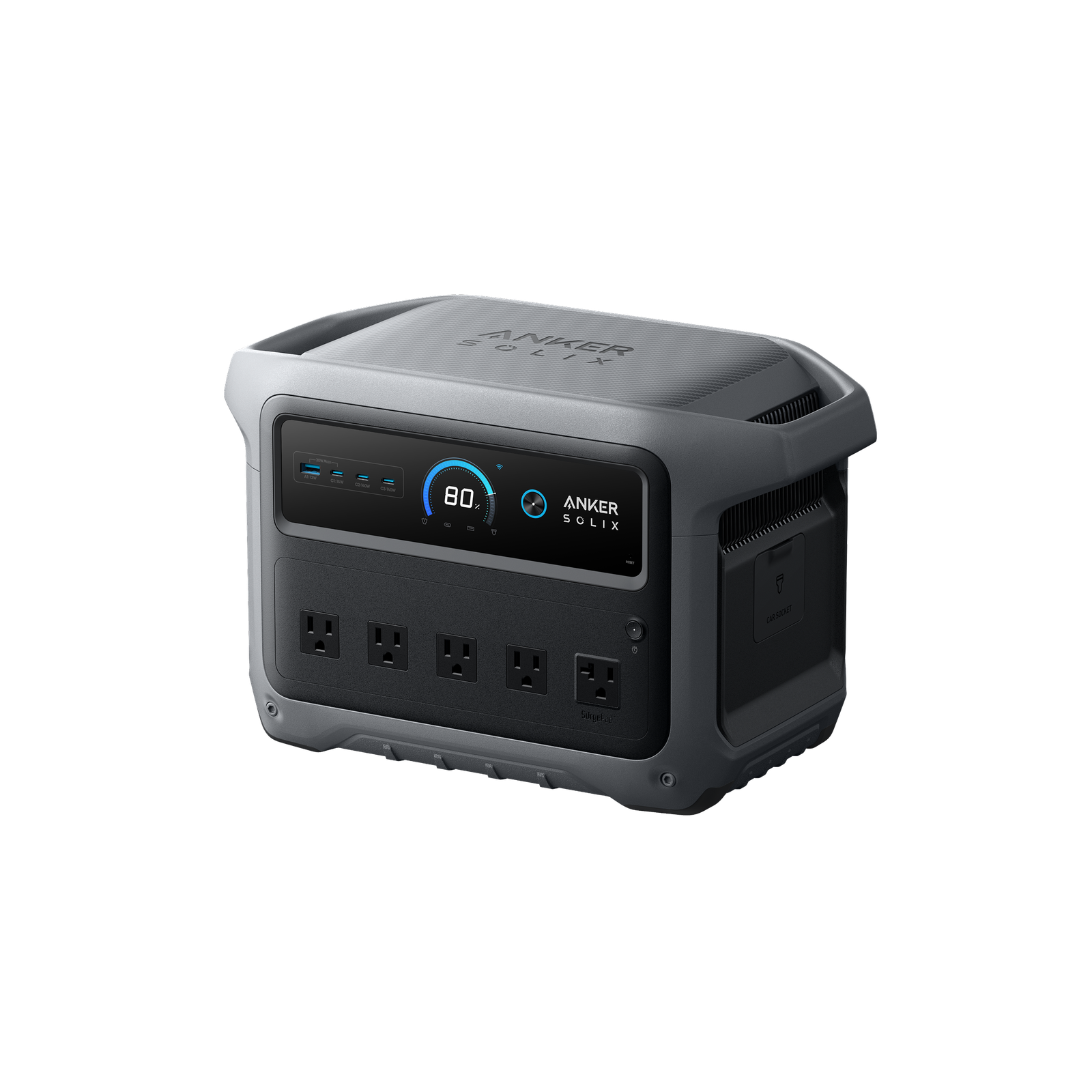
1 kWh classPortable Essentials
For a refrigerator, lights, internet and small electronics.
- Easy to move
- Useful for basic outage loads
- Verify startup demand before buying
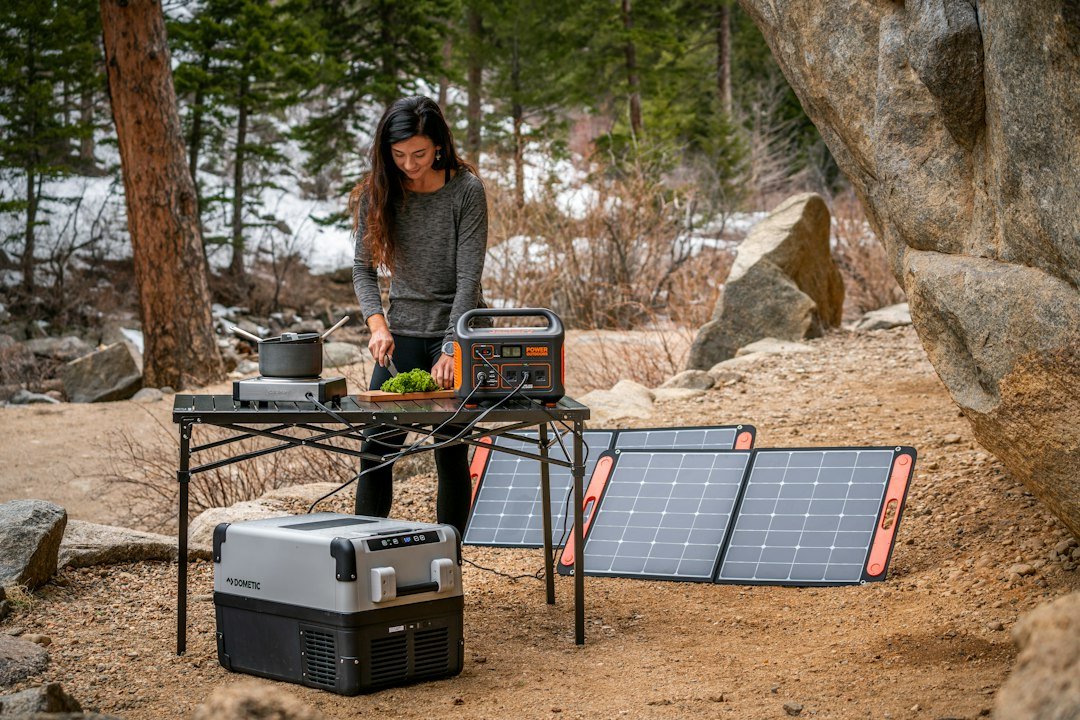
Tell us what you need to keep running during an outage. We size the load, check startup demand and voltage, then narrow the systems worth comparing.
We may earn a commission from qualifying purchases, at no extra cost to you. Affiliate Disclosure
Start with the problem, not the brand. Choose the load that matters during an outage and build from there.

Protect food and handle compressor startup demand.

Plan for motor surge and water-moving reliability.

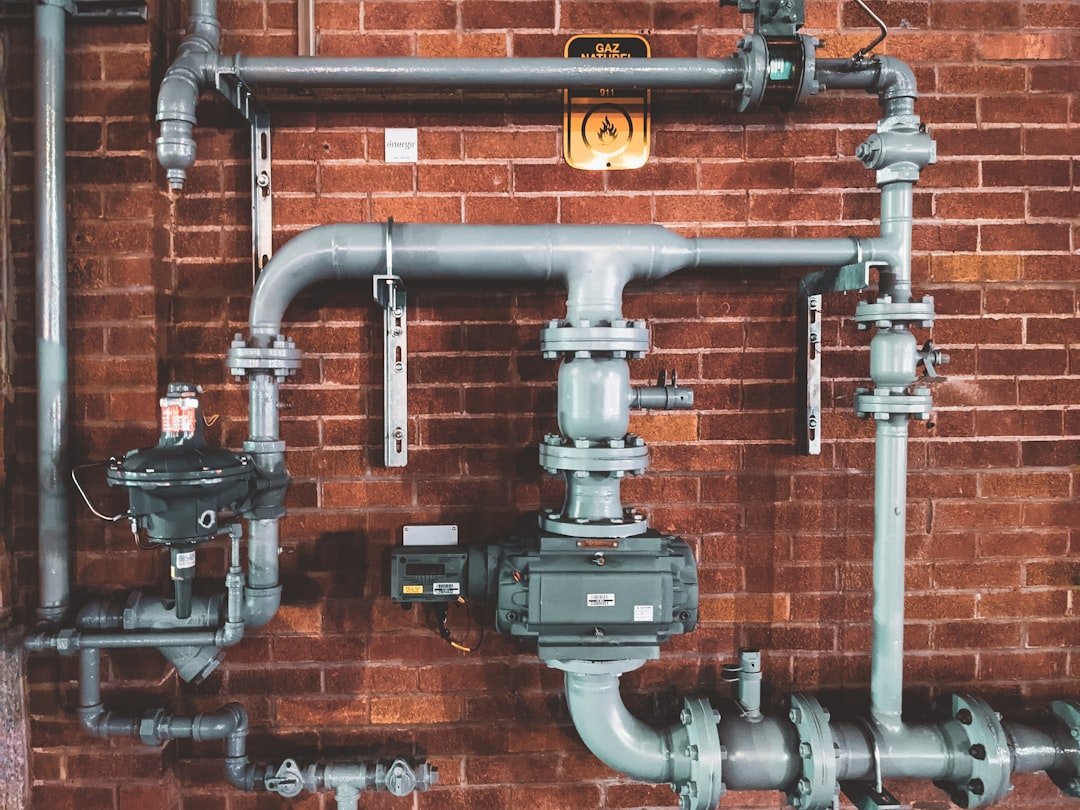
Keep blower, ignition and controls running in winter.

Prioritize several household loads in one outage plan.
Three steps turn an outage problem into a shortlist you can actually compare.
Add appliances and equipment. We focus on running watts, voltage and startup demand.
Set the outage duration that matters so the energy target reflects real use.
See battery capacity, continuous output, surge capability and connection limits.
These are representative examples, not paid rankings. Use the class to understand size and capability, then verify the fit against your actual loads.
1 kWh classFor a refrigerator, lights, internet and small electronics.
2 kWh classFor several critical loads or longer refrigerator and furnace runtime.
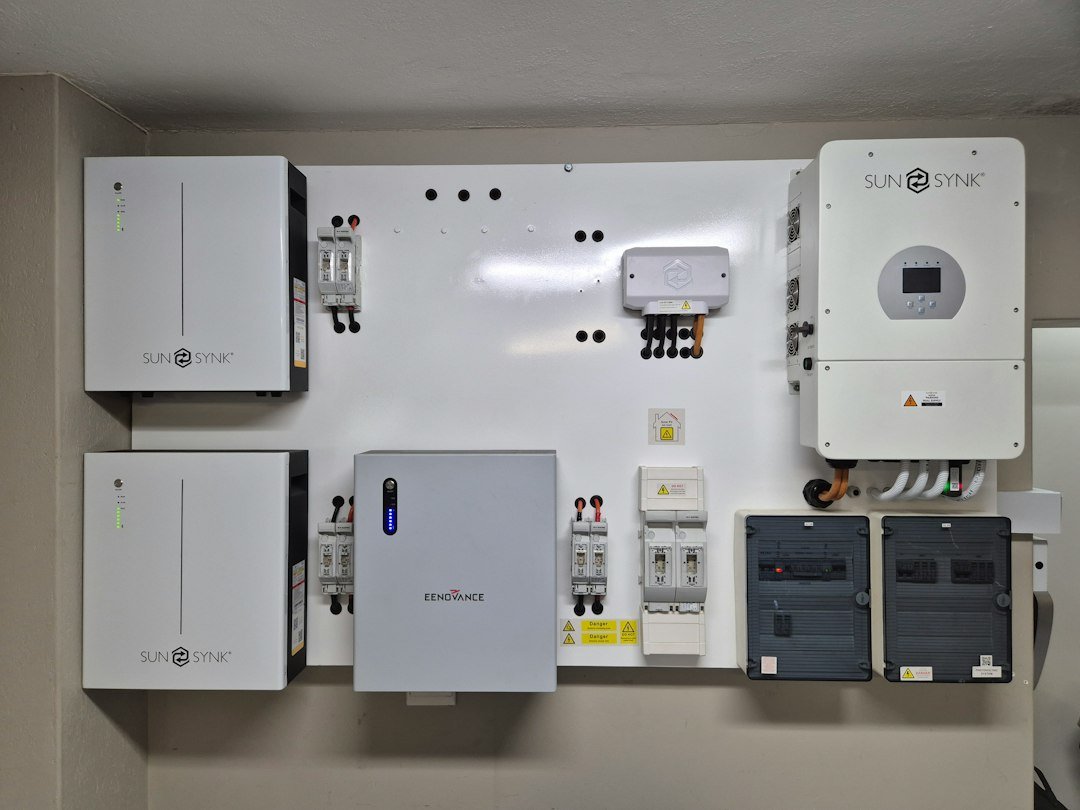
ExpandableFor larger essential-load plans where future capacity and higher output matter.
Capacity alone is not enough. A useful recommendation also checks continuous output, startup demand and the electrical details that can make or break an outage plan.
Illustrative refrigerator + sump-pump outage plan
Use-case guides help shoppers understand the problem before they compare hardware.
Start with the loads you care about. Then compare backup systems whose electrical requirements actually match the job.