Refrigerator backup planning · By Tony Pham · Updated September 14, 2026
Size the refrigerator first. Choose the power station second.
A power station for a refrigerator needs two separate checks: enough output to start and run the appliance, and enough usable energy for the outage. There is no single wattage or battery size that fits every refrigerator. Begin with your exact appliance and the hours you need, then compare products.
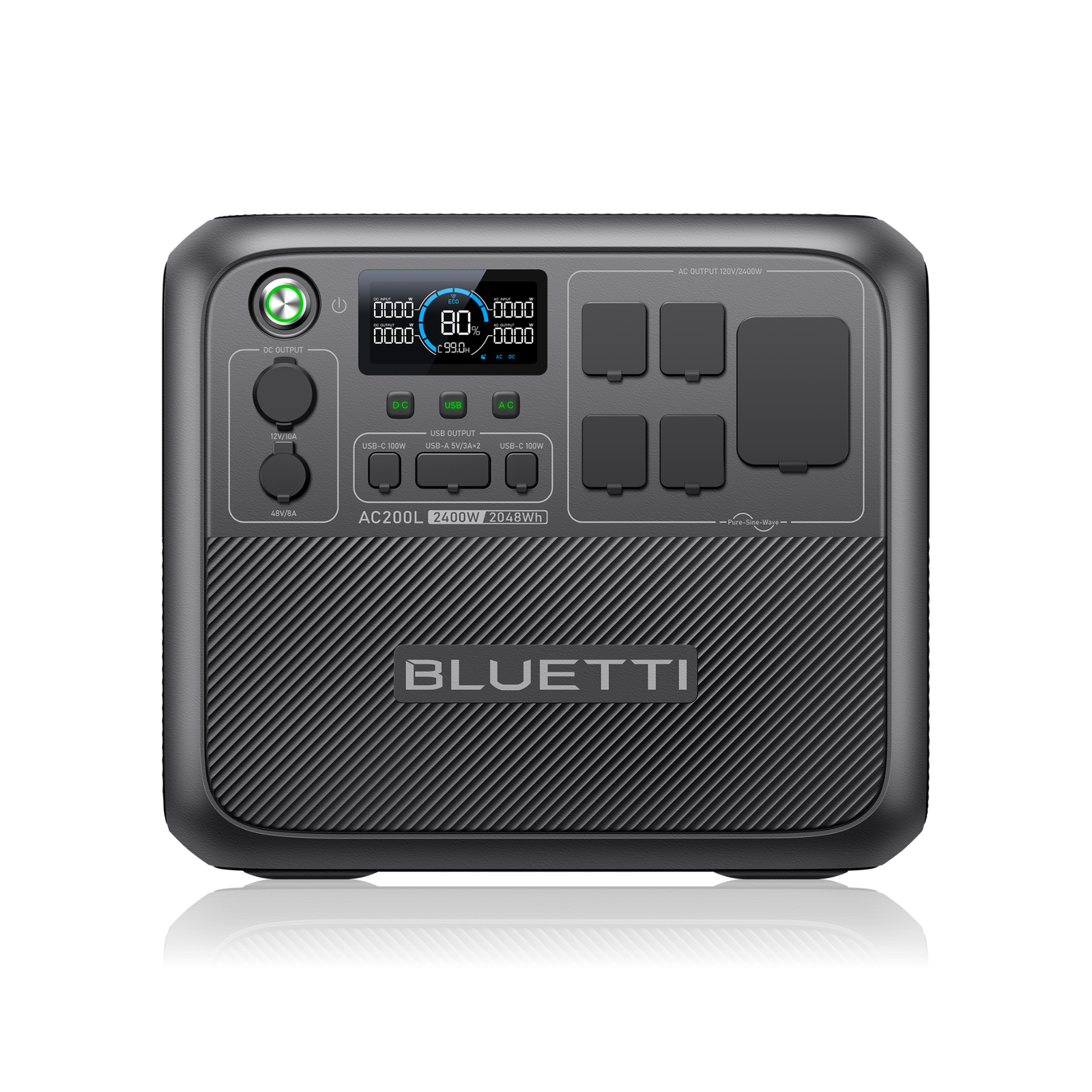
This guide uses clearly labeled examples and published sources. It is not a hands-on product test. Product examples are limited to current approved-partner routes for commercial recommendations. Manufacturer references may still be used as neutral technical sources.
1. Collect the refrigerator’s requirements
Record the model number, electrical input rating, voltage and frequency. Look for starting-current or startup-power information in its manual, or ask the manufacturer. A household energy label helps with energy use, but it does not tell you the compressor’s startup demand.
For energy, use a suitable plug-in meter within its ratings to observe a representative operating period where practical. Include the appliance’s normal cycling and other operating modes. A short observation immediately after plugging it in may not represent the outage you are planning for. Virginia Tech explains appliance energy estimation and notes that refrigerators cycle rather than drawing their rated power continuously. Source: Virginia Cooperative Extension.
Keep three entries separate in your notes: instantaneous running demand, starting demand, and measured energy over time. If one is unknown, label it unknown. Do not replace a missing starting figure with a universal multiplier.
2. Turn the outage duration into an energy target
For a constant load, energy in Wh equals watts multiplied by hours. For a varying load, a meter’s accumulated Wh or kWh captures energy over the measurement interval. There are 1,000 Wh in 1 kWh. Source: U.S. EIA.
Worked example: energy, not a typical refrigerator
Suppose a representative measurement is 1.2 kWh over 24 hours. Its average is 1,200 Wh ÷ 24 h = 50 W. For a 12-hour planning window under comparable conditions, a first estimate is 50 W × 12 h = 600 Wh at the appliance.
These are illustrative inputs. The 50 W average must not be used as the refrigerator’s instantaneous running or starting requirement. Real consumption can differ between the measured period and an outage.
Next, ask how much energy the selected power station can actually deliver through its AC outlet under the intended conditions. Advertised battery Wh alone cannot establish that quantity.
If a documented, applicable AC delivered-energy fraction is available, the conditional calculation is:
Required rated Wh = appliance Wh ÷ delivered-energy fraction.
Without that evidence, keep 600 Wh as the appliance-side target in this example and leave the rated-battery answer unresolved. Do not insert a generic efficiency percentage simply to obtain a purchase recommendation.
3. Check running load and startup separately
The inverter also has to supply the loads that overlap. Suppose a purely illustrative refrigerator runs at 150 W and has a total startup requirement of 600 W, while another device draws 20 W. The combined running load is 170 W; while the refrigerator starts, the scenario is 600 + 20 = 620 W. Adding 600 to 170 would count the refrigerator’s running portion twice.
A surge-watt number is only part of the comparison. Check how long the source supports it, current or VA requirements where specified, and output limits under the operating conditions. Victron explains why continuous output, inrush, temperature and battery limits matter when selecting an inverter. Source: Victron inverter selection guidance.
Calculate your own load plan →
In the calculator, use actual on-time for the entered running watts. Do not put the 50 W daily average from the energy example into the instantaneous-output check. If your measurements cannot be represented by a constant running-power row, keep the measured-energy calculation alongside your load plan.
4. Apply the checks to a current approved-partner option
The BLUETTI Elite 100 V2 is a useful 1kWh-class example because its US listing specifies 1,024Wh rated energy, 1,800W continuous AC output and 3,600W advertised lifting power. These published figures still do not establish your refrigerator’s actual runtime or guarantee that its compressor will start.
Compare your measured appliance requirements with the manufacturer specifications. We have not physically tested this unit with your refrigerator, so confirm delivered AC energy, starting behavior, outlet limits and operating conditions before purchase.
For the illustrative 600Wh appliance-side target, it would be premature to declare the unit suitable merely because 1,024 exceeds 600. If both the output and energy checks fit your measured load, you can check the current BLUETTI Elite 100 V2 offer. If either check fails, choose a different system or reduce the planned loads; more battery capacity alone does not fix an output limitation.
What to confirm before an outage
- The exact appliance and power station are compatible with each other’s electrical requirements.
- The operating setup follows both manuals, including ventilation, output settings and connections.
- The planned starting charge and battery operating limits support the energy estimate.
- You have checked behavior across refrigerator cycles, not only the moment it first turns on.
This guide covers planning for a plug-connected appliance. Household wiring, transfer equipment and code compliance require a separate installation assessment.
If your calculation points to the 2kWh class
Compare the current approved-partner options by use case. Choose more AC headroom when startup margin matters, or an expandable system if you expect to add battery capacity later.
Next step
If your calculation points toward the 2kWh class, compare the current approved-partner options in our 2kWh portable power station guide.
Write down your refrigerator model, energy measurement period, running and startup requirements, and outage duration. Use Backup Power Map for the load calculation, then compare the result with the product evidence. For the underlying concepts, visit our backup power guides.
Editorial basis: source-based planning guidance, not an NEC load calculation or a tested product review. Product source checked September 12, 2026. Send a correction.