Best fits by real outage need
Find backup power by the job it needs to do.
Start with what must keep running and how long. Then compare systems whose published specifications match that job.

Portable power stations
Power stations by fit
For brand-level research, see our BLUETTI power station comparison or Renogy 12V battery, inverter and charging guide. Nominal watt-hours describe stored energy; they do not prove runtime or compatibility. Check continuous output, outlet limits, motor startup demand and usable AC energy.
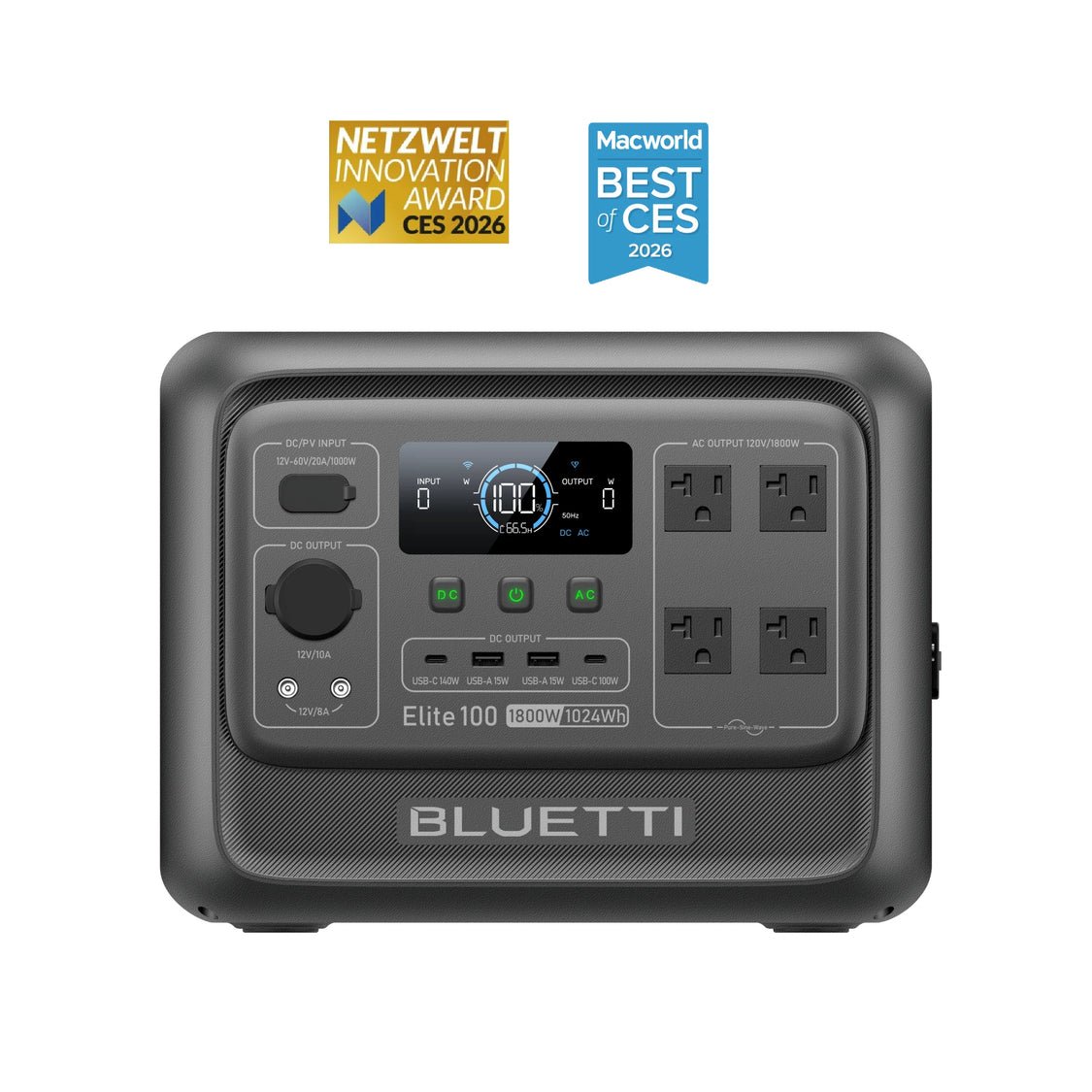
BLUETTI Elite 100 V2
1,024Wh · 1,800W · published weight 25 lb
For portable refrigerator, internet, lighting, CPAP and electronics plans when a 1kWh-class system is enough.
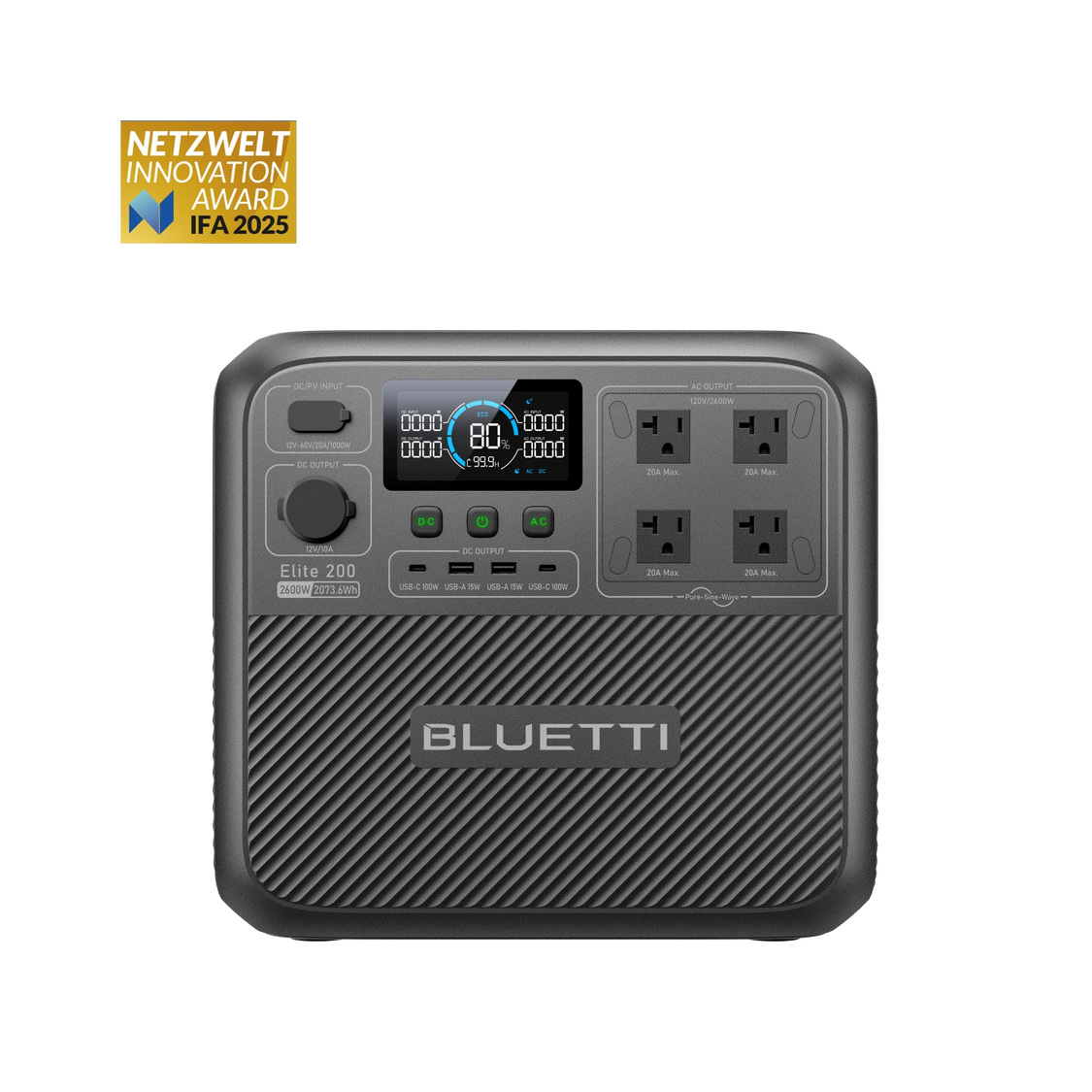
BLUETTI Elite 200 V2
2,073.6Wh · 2,600W published output
A current higher-output candidate in the 2kWh class for selected home essentials.
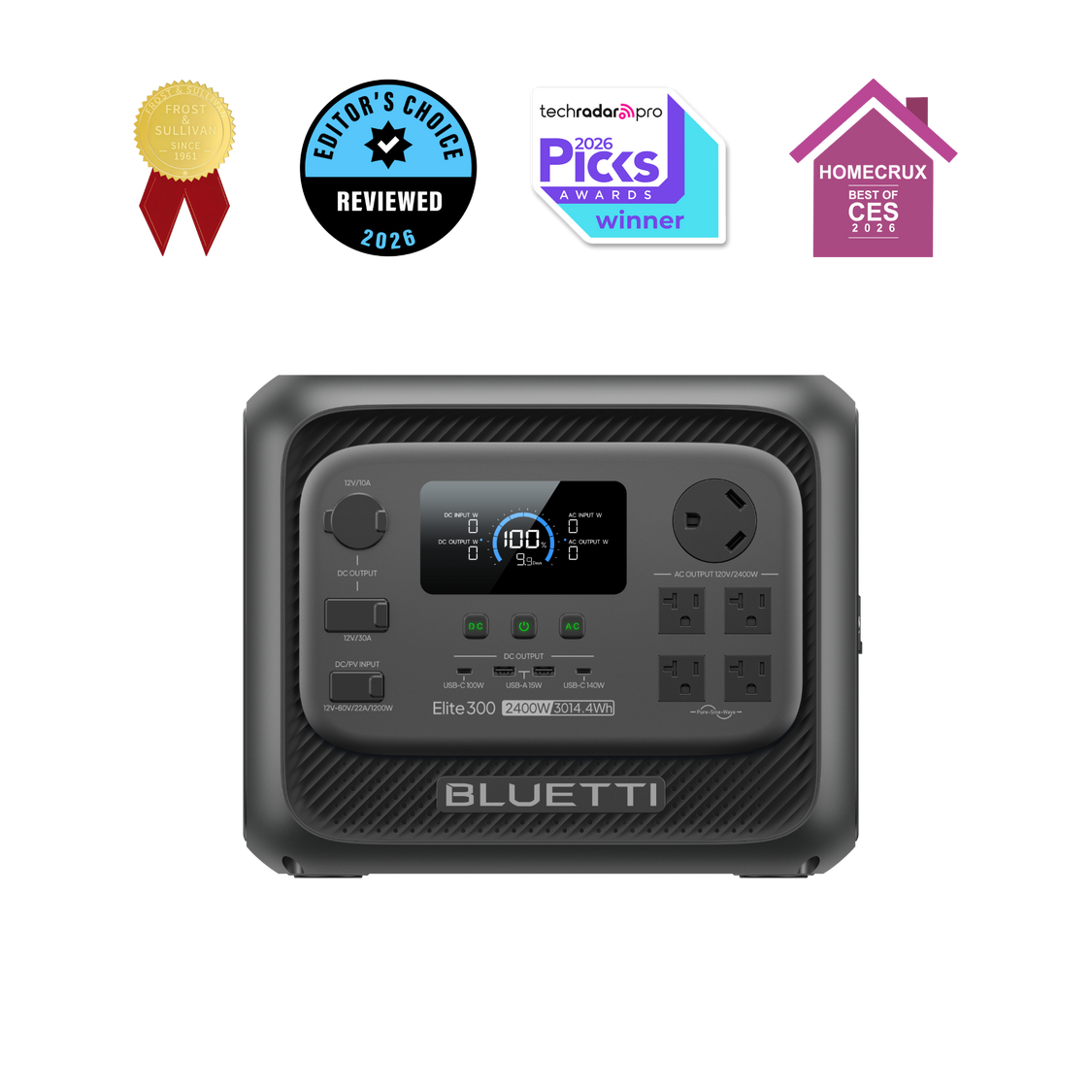
BLUETTI Elite 300
3,014.4Wh · 2,400W · TT-30
Best suited when more stored energy for selected home or RV loads matters more than maximum inverter output.
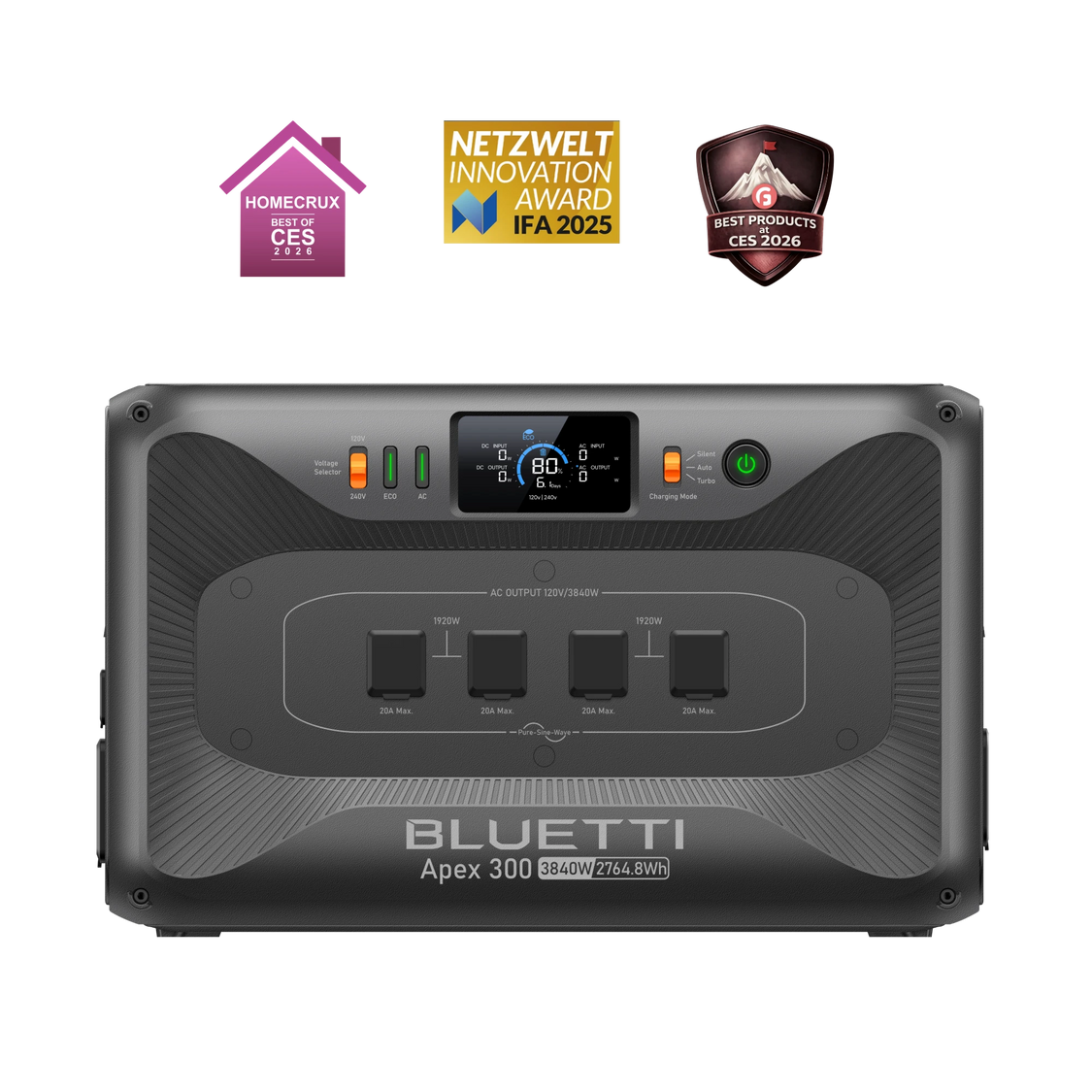
BLUETTI Apex 300
2,764.8Wh · 3,840W · 120V/240V platform
For higher-output loads and buyers considering battery expansion or compatible home-integration hardware.
Home battery backup
Choose by outage scope

Refrigerator and essential loads
Start with appliance energy, compressor startup and the number of hours that matter.
Sump pump protection
A difficult motor start and changing duty cycle make measurement essential.
2–3kWh selected-load backup
A practical middle ground for food, internet, lights and selected electronics.
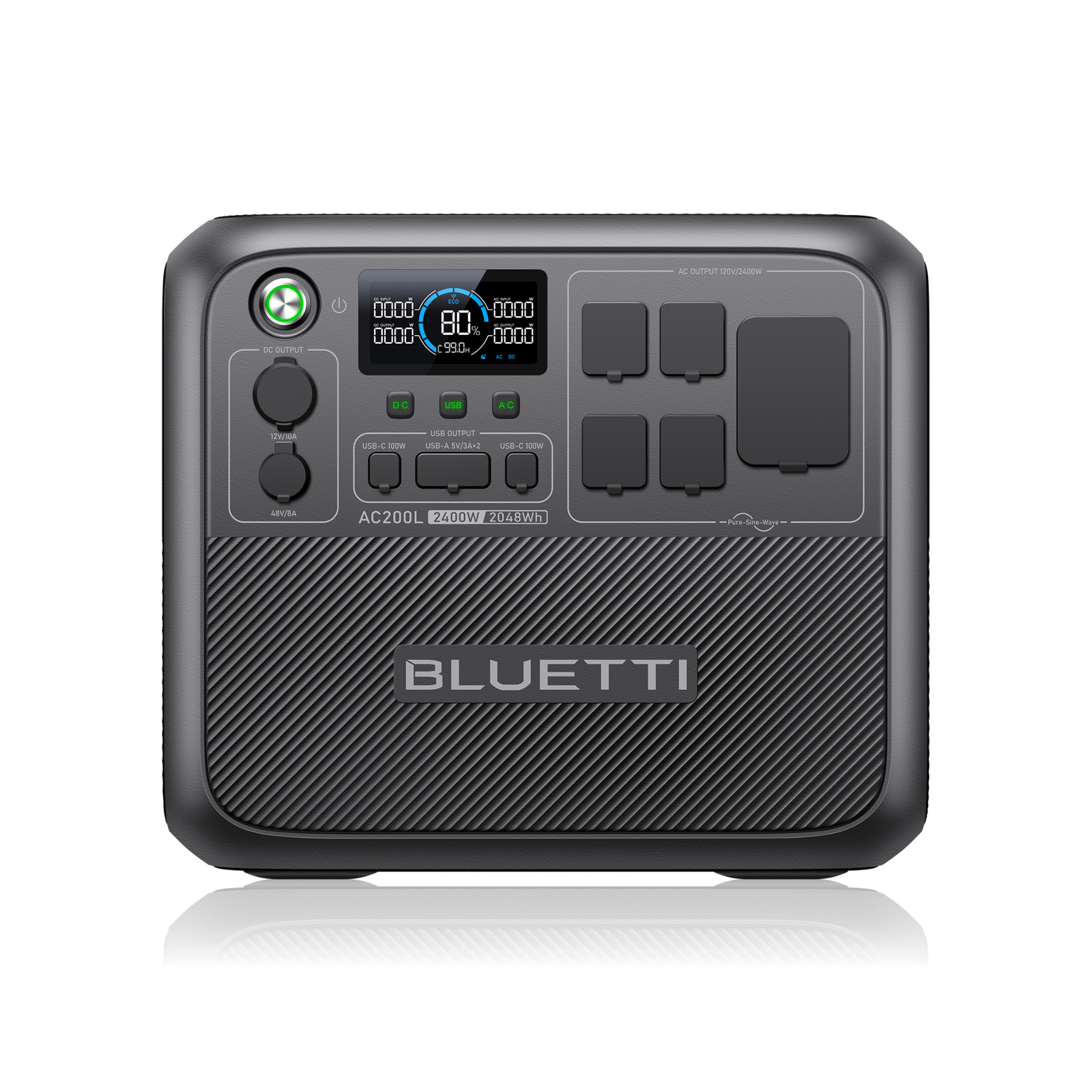
Solar and expandable systems
Size the battery first, then verify solar voltage, current and realistic daily harvest.
RV & off-grid batteries
Renogy LiFePO4 options
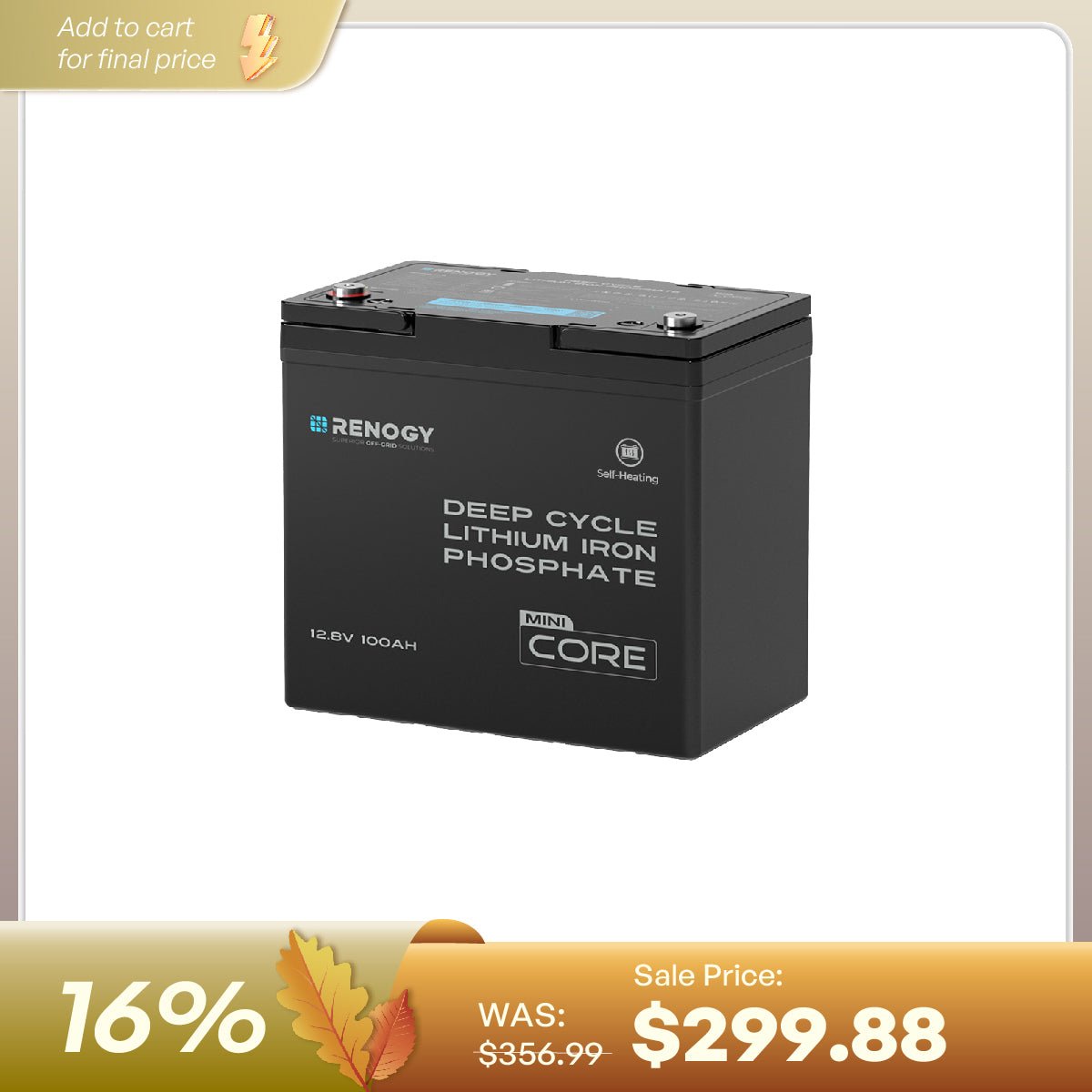
Renogy 12V 100Ah DuoHeat Core Mini
About 1,280Wh nominal at 12.8V, with DuoHeat self-heating and low-temperature protection. Confirm BMS current, dimensions and charger compatibility.
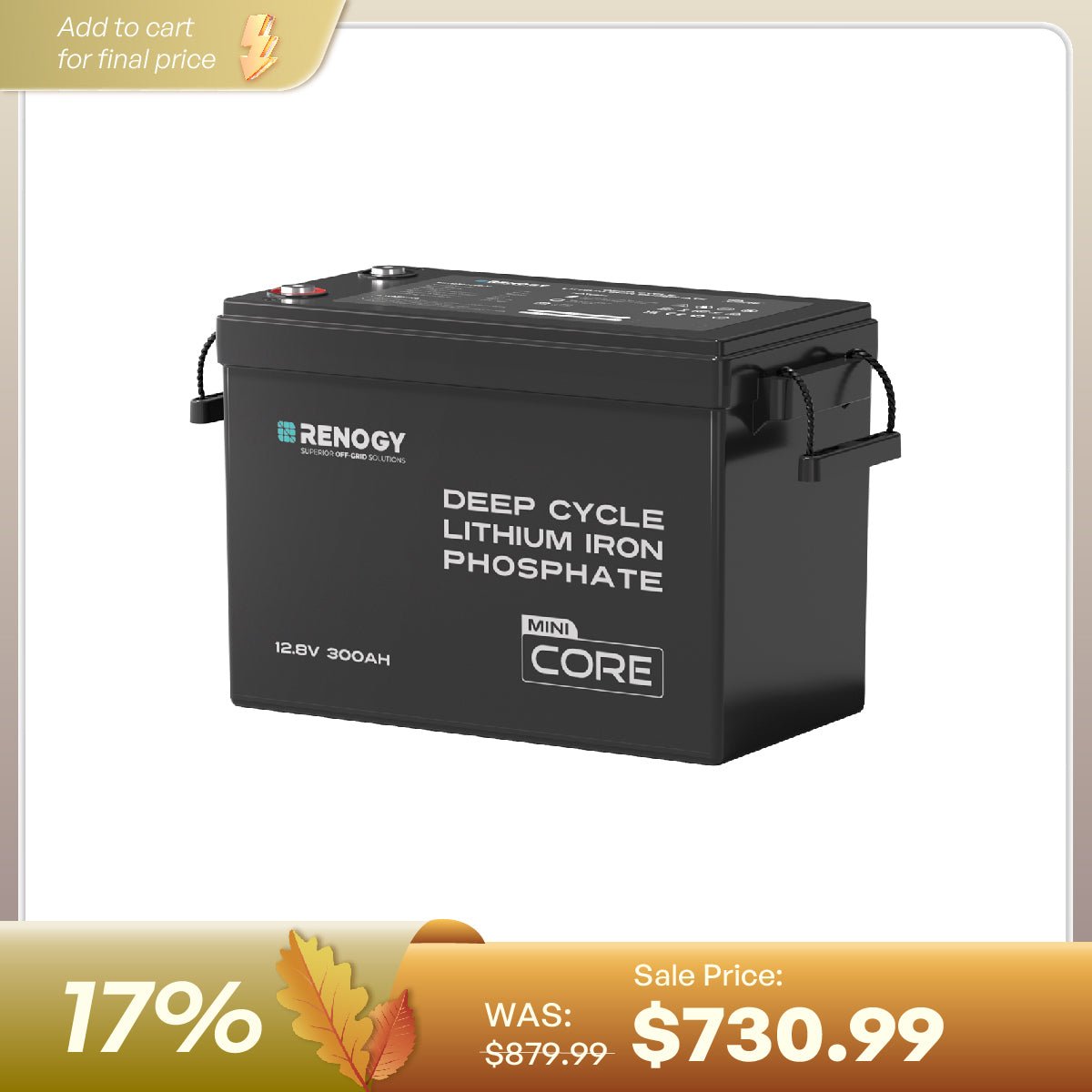
Renogy 200Ah class
About 2,560Wh nominal at 12.8V. Choose it only when daily energy and reserve justify the added cost, weight and recharge demand.
Representative Renogy Core battery-family image. Verify the exact 200Ah model, dimensions and specifications on the merchant page.
Renogy DIY 12V systems
Battery, inverter and charging paths for RV and off-grid builds
Start with daily watt-hours and peak AC load, then choose the battery bank, inverter and charging hardware in that order.
Renogy 12V system guide
100Ah/200Ah/300Ah LiFePO4, 2000W/3000W inverter sizing, DC-DC charging and solar.
DC-DC alternator charging
Compare 20A, 40A and 50A charging by alternator headroom, battery acceptance and recharge time.
Rover MPPT + 100W solar
Match 20A/30A/40A/50A Rover controllers to solar-array watts, Voc and Isc.
100W solar panel sizing
Estimate daily solar energy and panel count before choosing the controller.
How we decide a product fits
We compare published U.S. specifications with the power, startup, voltage, battery and connection requirements of the use case. A product is not treated as compatible simply because a marketing page shows the appliance. Always verify the current manufacturer specifications before purchase.
Not sure which product class fits?
Build the load plan first. The calculator separates running power, startup demand and energy so you can avoid buying too small—or paying for capacity you will not use.