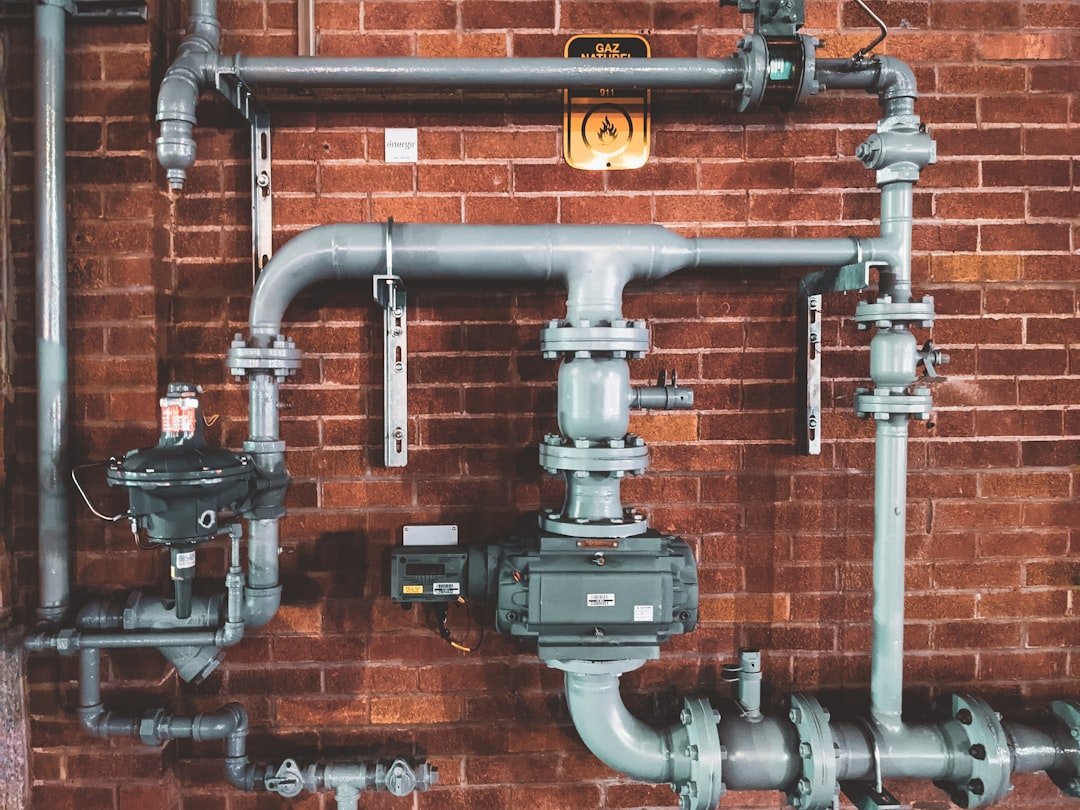
Sump-pump backup planning
Quick answer: First verify that the power station can start the sump-pump motor. Then size battery energy from the pump’s actual running watts and expected on-time during the outage. A larger Wh number alone does not prove compatibility.
Size for the motor start first, then size energy for the outage.
The right power station must satisfy both motor starting and energy demand. A larger Wh label alone does not establish compatibility with a sump pump.
The right size must satisfy both motor starting and energy demand. A larger Wh label alone does not establish suitability. Begin with the exact pump’s voltage, measured running input, starting current or watts and duration, then estimate how long it will actually pump.
Build three separate screens
- Continuous output: add the running watts of loads that may operate together. Check VA and each outlet’s current limit separately.
- Startup: compare the complete motor-start event with the inverter’s rated overload capability, including duration and acceptable voltage. Do not substitute X-Boost or power-lifting figures.
- Energy: add watts × actual on-time for each load. Compare with usable AC energy under applicable conditions, not nominal cell capacity.
Victron’s inverter guidance separates watt/VA demand, startup loads and battery limitations. Its equipment guidance is not a certification of any portable station or this calculator.
A worked example with invented inputs
Assume a hypothetical pump draws 700 W while running, requires 1,800 W total at startup, and runs for 2 hours during the planned outage. Add a hypothetical 20 W router operating for 8 hours. The simultaneous running screen is 720 W. With only the pump starting while the router runs, the watt scenario is 1,820 W. Load energy is 700 × 2 + 20 × 8 = 1,560 Wh.
These inputs illustrate the method; none is an industry default or a tested pump. The example still lacks motor-start duration, VA, outlet compatibility and usable AC energy. It therefore cannot identify a safe model recommendation. Do not apply a generic 20% battery loss factor to fill that gap.
Questions that a product page may not answer
- Will the AC output remain enabled between pump cycles, or shut down under low load?
- Does the pump restart correctly after the specified transfer interruption?
- What changes in pass-through mode, and what is the maximum continuous bypass current?
- Are grounding, neutral and GFCI arrangements compatible with the installation?
- What usable energy applies at the planned temperature, state of charge and load?
Obtain model-specific answers from the manufacturer or installer. Do not improvise a bonding adapter or connect a portable source to household wiring through a wall receptacle.
If your measured plan points toward roughly 2kWh of battery capacity, continue with our 2kWh portable power station guide. It shows current current product options while keeping pump sizing separate from product selection.
Use the Backup Power Map to screen your measured plan, then inspect the US product specification records. Missing evidence is shown explicitly. See the pump load guide, dedicated backup comparison and generator comparison for the remaining decisions.
Use the sump-pump runtime worksheet to separate actual pumping time from elapsed outage time.
Ready to compare current 2kWh options?
If your measured pump load and runtime point toward this class, compare the current current product options by output, expandability and outlet needs. A 2kWh label alone is not proof of pump compatibility.
Educational planning guidance based on published technical sources. Exact equipment instructions and local installation requirements govern.